
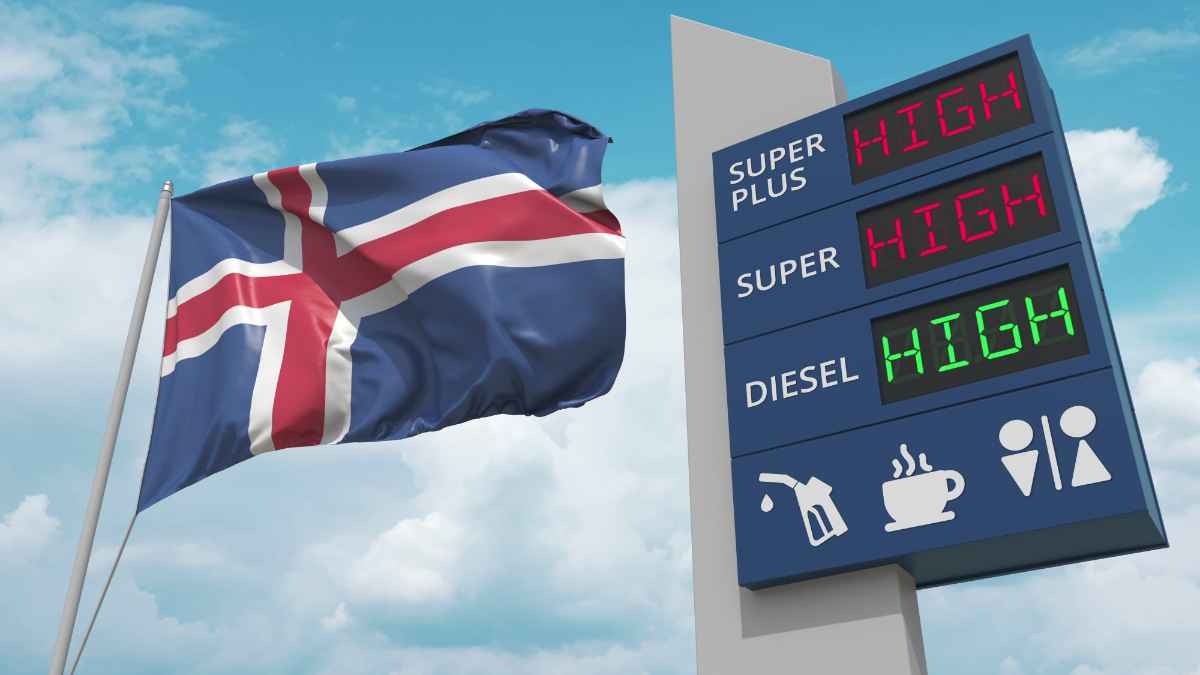
If you’re planning a campervan road trip in Iceland, sooner or later you’ll stumble upon a mysterious line in the fine print: the fuel tax.
It sounds dramatic (and honestly, it is), slightly suspicious aaaand just vague enough to make travelers imagine all kinds of bureaucratic nightmares.
But hey: relax! It’s actually much simpler than it looks.
The Iceland fuel tax is not something you pay at the pump, not a random surprise invented by KuKu Campers in the flesh.
It’s simply a small distance based tax linked mostly to diesel vehicles, including many campervans roaming happily around the island.
Since Iceland reduced traditional fuel taxes in recent years, this system helps fund road maintenance in a fairer way for everyone driving across lava fields, glaciers or maybe the occasional sheep crossing.
In this guide we’ll break down what the fuel tax in Iceland really is, why it exists, how it’s calculated and what it actually means for your campervan budget. Let's dive in!
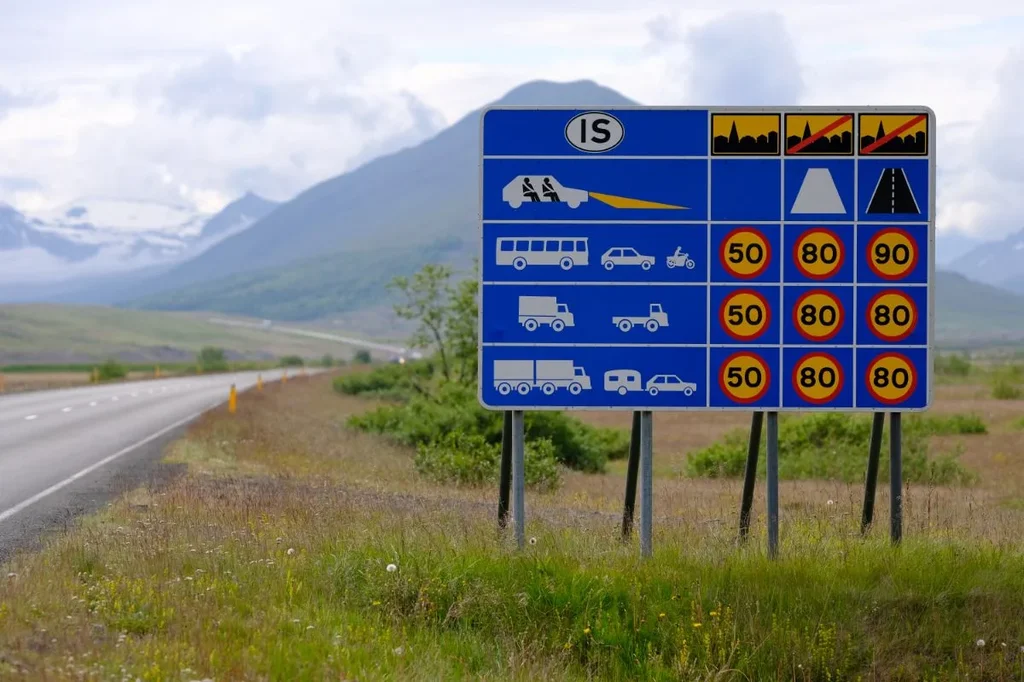
What the Fuel Tax in Iceland Actually Is
We'll admit: this Iceland fuel tax is one of those things that sounds confusing until someone explains it properly.
Fear not: you found that amazing somebody (us)!
Here's the full story: in the last few years, Iceland changed the way road infrastructure is funded. Traditional fuel taxes were reduced, which lowered fuel prices across the country.
To compensate for that change, in 2026 the government introduced a distance based road tax that applies mainly to certain vehicles, especially diesel ones.
Instead of paying the tax through the fuel itself, drivers contribute based on how many kilometers they actually drive.
Basically, think of it like this: the more you explore Iceland, the more you contribute to maintaining the roads that make that exploration possible.
Fair deal, innit?
Why Iceland Introduced a Distance Based Road Tax
The idea behind the fuel tax is surprisingly logical.
Iceland reduced taxes on fuel, which immediately lowered the cost of petrol and diesel across the island (and yes, we celebrated big time here at the office).
The challenge, however, was that fuel taxes used to fund road maintenance, infrastructure and transportation projects. When those taxes dropped, the government needed a different way to keep funding the roads without raising fuel prices again.
The solution was simple, and you probably guessed it already (also because we've spoiled it about ten times): a new kilometer based road tax. Instead of charging every liter of fuel, the system now charges certain vehicles based on the distance they travel.
Which Vehicles the Tax Applies To
Let's clear up one thing: not every vehicle in Iceland is affected by this tax in the same way. The rule mainly targets vehicles that do not contribute enough through traditional fuel taxes.
In practice, this means the tax usually applies to diesel vehicles, some hybrid vehicles and certain larger cars.
And since many campervans run on diesel engines, they would often fall into this category.
For travelers renting a campervan, the tax is typically calculated by the rental company itself based on the kilometers driven during the trip (but not with KuKu: keep reading).
That way, everything stays simple and transparent, and you can focus on the important part of your journey: actually enjoying Iceland (and those incredible puffins).
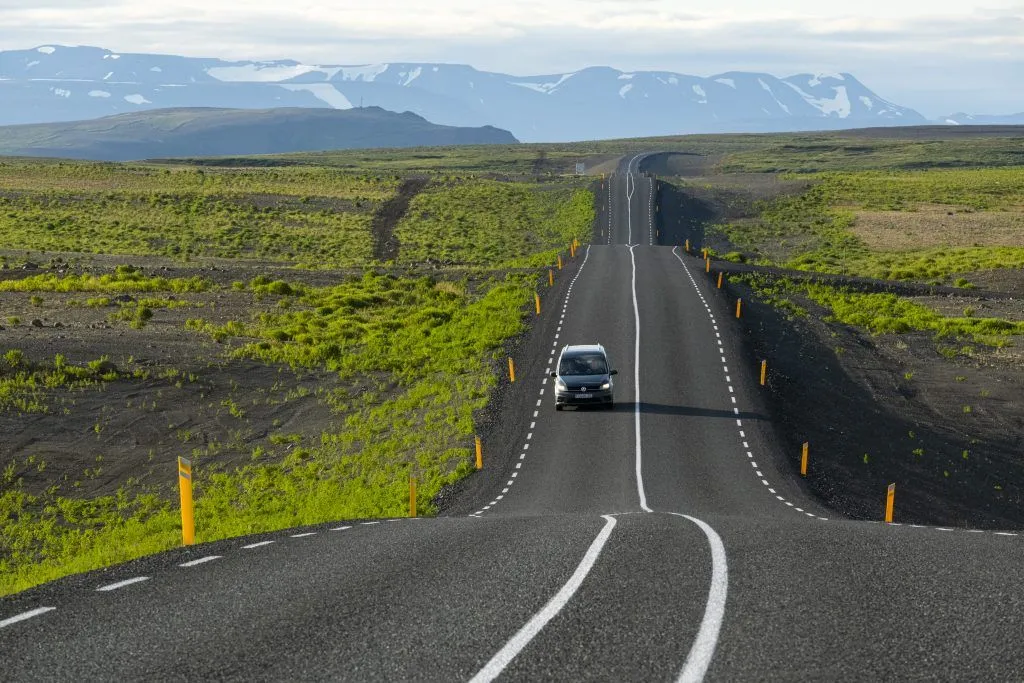
The Truth: Why Many Campervans in Iceland Have This Tax
So, once travelers understand that the fuel tax in Iceland is linked to certain types of vehicles, the next question usually appears immediately: why does it seem to affect campervans so. dang. often?
The short answer is simple, and you may not like it.
You see, many campervans in Iceland run on diesel engines. Diesel engines are quuuuite reliable, making them perfect for long road trips across a country where distances add up quickly.
And because traditional fuel taxes on diesel are lower, the distance based road tax helps balance things out.
Come on, it does make sense, doesn't it?
The Difference Between Diesel and Gasoline Taxes
Now, let's go abroad for a second: in many countries, fuel taxes are already included directly in the price you pay at the pump.
Gasoline typically carries a higher tax rate than diesel, which means drivers basically contribute to road maintenance every time they refuel (you're welcome, random road in Sweden we drove on a few months ago!).
Diesel, however, is often taxed differently. As it is widely used by commercial vehicles, transport companies and heavy duty cars, diesel drivers sometimes contribute less through fuel taxes alone.
Iceland’s system basically corrects this imbalance by introducing a distance based charge for certain vehicles, ensuring that road maintenance is funded regardless of what type of engine people drive.
Why Campervans Are Often Included
As you can emagine, campervans sit right in the middle of this equation (although we're not huge fans of the middle seat).
They are built for long journeys, usually powered by diesel engines aaaand often drive thousands of kilometers during a single road trip (Ring Road, anyone?).
Think about a typical Iceland itinerary. Travelers might circle explore the South Coast, visit the Snæfellsnes Peninsula and still have time to wander through the Westfjords. And boy, do the distances add up quickly!
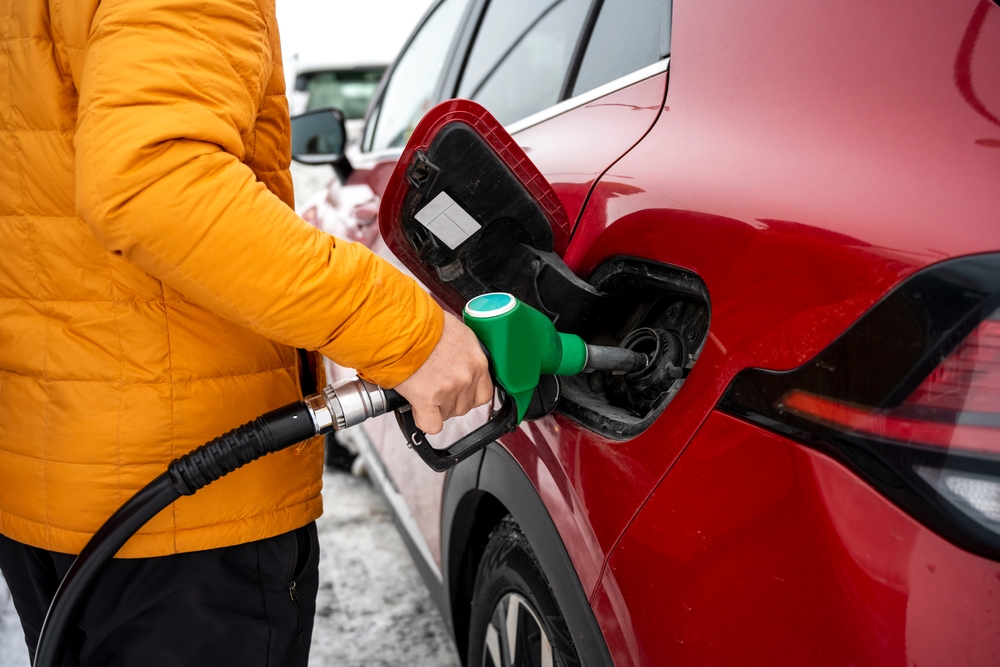
How the Fuel Tax Actually Works When You Rent a Campervan With Us
Now.
On paper, as we said, the Iceland fuel tax is calculated per kilometer.
Sounds very precise. Also sounds like the beginning of a long conversation with a calculator.
Thankfully, that is not how it usually works when you rent a campervan.
Most rental companies prefer a simpler approach that avoids turning your road trip into an accounting exercise.
Basically, instead of calculating the exact distance tax after your trip, the cost is converted into a flat daily fee.
Much easier AND much less chance of anyone squinting at a spreadsheet while you are trying to start your adventure.
At KuKu Campers, the fuel tax is simply... €11 per day. That’s IT!
Basically, with us you got no formulas. No “uhmmm, we’ll let you know later”.
This is a fixed amount that stays the same whether you drive the entire Ring Road or decide to spend half the afternoon staring dramatically at a glacier.
Why Rental Companies Prefer a Flat Fee
Technically, the tax could be calculated down to the exact kilometer. But imagine finishing your trip, returning the van, and then watching someone run a complicated calculation while you slowly age at the reception desk.
Not ideal, right?
This is why a flat fee removes all that friction.
You know the cost from the start, you can plan your travel budget properly, and nobody has to play detective with mileage numbers at the end of your trip.
What That €11 Per Day Actually Goes Toward
By the end of your trip, you'll know: Iceland’s roads look calm on Instagram. In real life they deal with volcanic terrain, Arctic weather, sideways wind and the occasional (or not so occasional) sheep that has absolutely no interest in traffic rules.
Maintaining that network across the entire island is a constant job. The fuel tax helps fund that infrastructure while fuel prices themselves stay lower than they used to be.
So yes, the tax exists.
But in practice it’s simply a small daily contribution that helps keep the roads open, safe and ready for the kind of road trip you flew all the way to Iceland to experience.
Why Rent Your Campervan with KuKu Campers

At the end of the day, a road trip in Iceland should feel exciting, not complicated.
Taxes, insurance, deposits, weather, those crazy sheep crossing the road with zero life goals… there is already plenty going on. The rental experience itself should be the easy part.
That is exactly the idea behind KuKu Campers.
First of all, you get a huuuge range of campervans, which means you are not forced into a one size fits all vehicle.
Traveling solo and want something small and budget friendly? Easy. Road tripping with friends and need more space? Also easy. Iceland is not the place where you want to discover on day three that your van is too tiny or unnecessarily massive.
Then there is our 8-to-8 road assistance, which in Iceland is not a luxury, but more a basic survival for peace of mind. Whether it is wind, weather, or simply a question about something weird you just saw on the road, help is always a phone call away.
Our customer service team is available every day from 8 to 18: we got real humans with real answers, no mysterious automated black hole where emails disappear forever.
On top of that, you can customize your trip with a wide selection of extras. Camping gear, WiFi, sleeping equipment, whatever helps make the road feel a little more like home.
And of course there is the part people tend to remember first: the vans themselves.
Our KuKu vans are NOT the anonymous white boxes you see everywhere else. They come with bold graffiti designs that make them instantly recognizable across Iceland. You will probably spot another one somewhere between a waterfall and a lava field and exchange that silent road trip nod.
Add competitive prices, a team that actually likes helping travelers, and a pile of useful resources to prepare your trip, including guides like this one!
The result is simple. You spend less time worrying about logistics and more time doing what you actually came to Iceland for: driving into landscapes that look slightly unreal.